The excitement of the World Cup brings people together worldwide, but not everyone is eager—or able—to commit to pricey streaming subscriptions.
If you’re a sports fan, a casual viewer, or simply trying to save money, there are accessible ways to watch the World Cup live without paying a subscription fee.


This article looks at practical, responsible alternatives that help ensure you won’t miss the biggest matches. The information here is ideal for viewers who want convenience, affordability, and a trouble-free streaming experience.
Understanding Legal Free Streaming Options
Finding legal live streams for the World Cup isn’t always straightforward. Many broadcasters have exclusive rights, which often means their streams are behind paywalls or require cable verification.
Yet, in some regions, laws require certain games to be broadcast free-to-air for public access. This happens because of the event's national or international significance.
Exploring these official options is the safest approach—there's less risk of encountering malicious sites or violating terms of service.
Public Broadcasters and National TV
Some countries, especially in Europe and South America, have local broadcasters that air World Cup matches on national TV. Germany’s ARD and ZDF, France’s TF1, Spain’s RTVE, and Portugal’s RTP are a few examples.
If you’re in these regions, or can legally access these public broadcasters online, this is often the easiest method.
Official Streaming Platforms with Free Trials
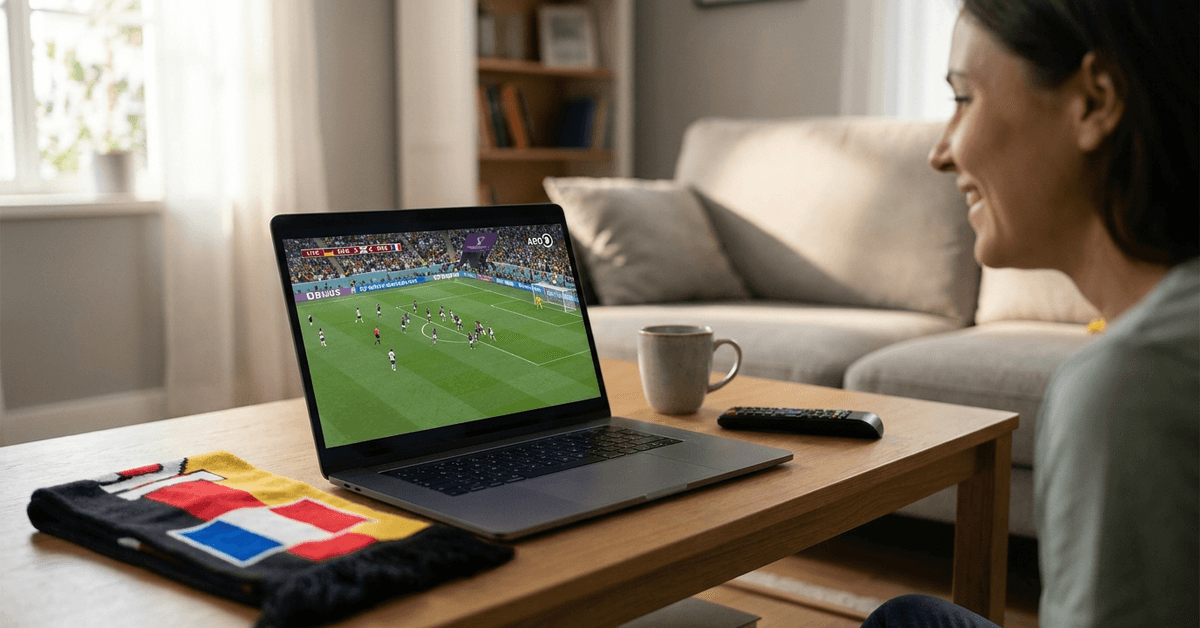
Many official platforms offer short-term free trials during the tournament. For a couple of weeks, fans may enjoy live access to all matches.
Just be mindful: it’s essential to read the terms and note any renewal deadlines, as many free trials automatically convert into paid subscriptions.
How Geographical Restrictions Affect Access
Accessing streams from public broadcasters is typically tied to your current location. For example, users in Spain watching through RTVE might have smooth streaming, while those outside Spain may be blocked or redirected.
These geographical restrictions are set according to broadcast rights and licensing agreements, not out of spite. If travel or residence abroad is why you can’t access your home country’s stream, some platforms offer specific international access or commentary channels.
Cross-Border Legal Limitations
It seems logical to think of online streaming as borderless, but broadcasters are required to follow strict licensing laws.
Attempting to bypass these can lead to unreliable service, so the best bet is to always review the broadcaster’s official streaming policy.
If they do not offer international streaming, there are typically highlights or replays posted—though that’s admittedly not quite the same thrill as watching live.
Understanding the Risks: Pirated Streams and Unofficial Sites
Every time a major event happens, unauthorized streaming sites surface with bold promises of free live access. While it’s tempting to click through, these sources often carry serious risks.
Unofficial sites can expose users to malware, misleading pop-up ads, and the possibility of violating local laws. Plus, the picture and sound quality is usually unreliable. Protecting one’s devices and privacy should always come first.
Why Official Streams Are Safer
Official free-to-air or network-supported streams offer regulated, predictable quality.
More importantly, they prioritize the user’s safety—no risky downloads, no shady advertising, and no chance of sudden takedowns mid-match. Keep in mind, it’s never worth risking device security for a fleeting free stream.

Best Places to Find Legal World Cup Streams by Region
Every region has different broadcasters, and their digital strategies may evolve from one tournament to the next.
It’s useful to keep an eye on national broadcaster announcements as a World Cup approaches. Here are some examples, though this list may not stay exhaustive:
- Spain: RTVE has typically broadcasted major matches free-to-air.
- Germany: ARD and ZDF often air games nationally, both on TV and via their official websites.
- France: TF1 regularly secures rights for World Cup coverage. Their online platform sometimes features a selection of live games.
- Portugal: RTP, the public broadcaster, offers matches free-to-air and often streams online for domestic viewers.
- Latin America: Depending on the country, public or national TV networks may hold the broadcasting rights.
- United States: Spanish-language networks (like Telemundo for US viewers) sometimes provide free streaming for select matches.
International Highlights and Recap Services
If a truly live stream isn’t possible, official FIFA digital channels and many broadcasters provide quick-match summaries, goal highlights, and match replays shortly after the final whistle.
For many fans, this can be a practical compromise. The adrenaline rush isn’t quite the same, but the convenience is a fair trade-off, especially if you’re balancing busy days.
Tips to Stay Safe While Finding Streams
There’s an overwhelming amount of information online during global tournaments. With that comes the risk of misinformation, dubious links, and clickbait.
These tips might seem obvious to seasoned internet users, but when excitement runs high, caution often slips.
- I think it’s best to stick with known broadcaster websites or apps—bookmark them in advance.
- Be wary of social media links claiming exclusive “free” access—it’s a common tactic for phishing.
- Never download or install additional software to watch a stream, unless it’s from a respected broadcaster.
- If a stream requests unusually personal information, it may not be legitimate. Official providers usually only need basic registration or none at all for free content.
- Using up-to-date antivirus software can add an extra layer of protection, just in case.
Alternative Ways to Follow Live Action
Sometimes, free live video just isn’t available, due to regional restrictions or technical barriers.
In these cases, fans have turned to radio broadcasts, official match tickers, or real-time stats and commentary via apps and sports portals. The immediacy isn’t lost—it just comes in a different (and maybe less stressful) form.
- Radio broadcasts from public stations cover play-by-play with genuine excitement.
- Official FIFA apps provide minute-by-minute updates, video clips, and interactive timelines.
- Major sports news sites (BBC Sport, ESPN) post real-time scores and highlight packages.
Optimizing Your Viewing Experience Legally
Legal free streaming sometimes means dealing with regional ads, varying commentary languages, and perhaps the occasional technical hiccup.
Watching with friends, connecting through group chats, or following complementary real-time updates can help bridge perceived gaps.
Most fans agree—nothing beats the authenticity of a safe and official stream, even if it involves a bit of compromise.
Legal and Ethical Considerations
Everyone wants to enjoy global events, but it’s important to respect broadcasting rights and the work of content creators. Choosing legal streams helps support future events, encourages fair competition, and keeps content safely accessible.
It’s easy to get swept up in the moment, yet a little caution goes a long way, especially for fans who care about both the sport and their own digital reputation.